Get Roof Flashing Installation
Roof flashing installation services help property owners prevent leaks and water damage by properly sealing roof joints, chimneys, vents, and skylights with skilled local contractors.
Proper roof flashing installation is essential for protecting a property from water intrusion and preventing costly damage. Property owners in the area often seek experienced service providers to ensure their roofs are properly sealed around vents, chimneys, and edges. Exploring local contractors can help homeowners and business owners compare options and find the right fit for their specific needs, whether for a new project or repairs to existing flashing.
Understanding the importance of quality installation and the variety of local options available can make planning a roofing project more straightforward. By connecting with nearby service providers, property owners can gather information and make informed decisions about the best approach for their roof's durability and performance. Keep reading to learn more about how local pros can assist with roof flashing installation.
- Roof Flashing Installation - Needed when new roofing or repairs require proper sealing around chimneys, vents, or skylights.
- Roof Flashing Replacement - Necessary if existing flashing has rust, leaks, or damage that compromises roof integrity.
- Custom Flashing Fabrication - Required for unique roof designs or unusual angles that standard flashing cannot accommodate.
- Vent and Pipe Flashing Services - Essential when installing or repairing ventilation pipes and exhaust vents to prevent leaks.
- Roof Flashing Repair - Needed to address minor damages or leaks caused by weather or aging that threaten roof protection.

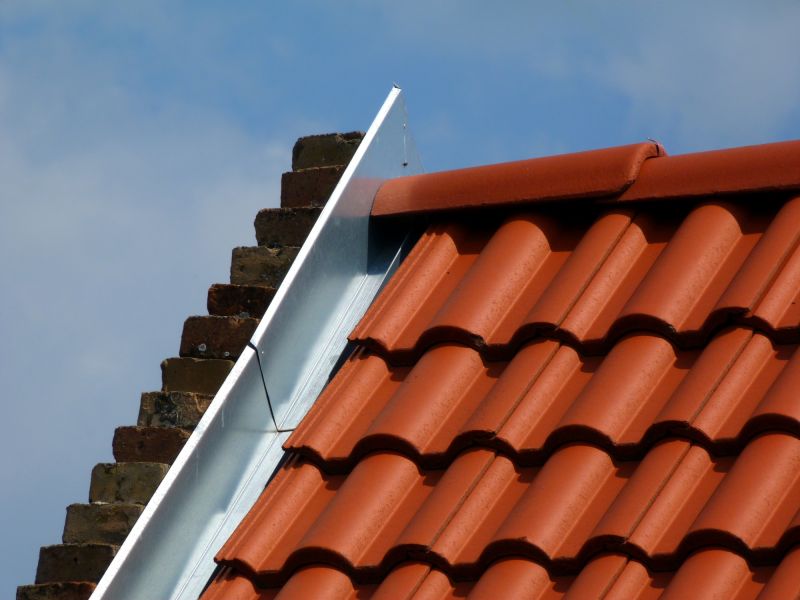
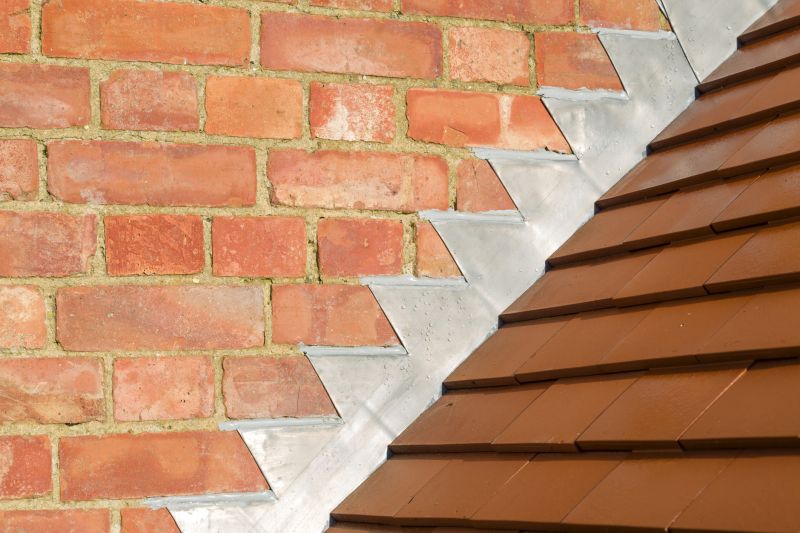
Roof flashing installation is a crucial part of maintaining a home's durability and protecting it from water damage. Flashing consists of thin pieces of material, such as metal or specialized membranes, that are installed around roof features like chimneys, vents, skylights, and along roof valleys. Proper installation ensures that water flows away from vulnerable areas, preventing leaks that can lead to structural issues, mold growth, and interior damage. Skilled local contractors can assess a roof’s unique layout and install flashing correctly to create a reliable barrier against the elements.
This service addresses common problems such as water infiltration, leaks, and damage caused by improperly sealed roof penetrations. Over time, flashing can deteriorate due to weather exposure, rust, or poor initial installation. When flashing fails, it often results in leaks that can be costly to repair if left unaddressed. Installing new or replacement flashing helps solve these issues by providing a secure, weather-resistant seal around roof features, thereby extending the lifespan of the roof and protecting the interior of the property.
Roof flashing installation is applicable to a variety of property types, including residential homes, commercial buildings, and multi-family complexes. Homes with complex roof designs, such as those with multiple chimneys, skylights, or dormers, often require precise flashing work to ensure all vulnerable points are sealed properly. Commercial properties with flat or low-slope roofs may also need specialized flashing to prevent water intrusion at joints and roof edges. Property owners who notice signs of water leaks or see rust and deterioration around roof penetrations should consider consulting local service providers for a professional assessment.
Homeowners should consider roof flashing services when undertaking roof repairs or upgrades, or if they notice signs of water intrusion around roof features. Proper flashing installation not only helps prevent leaks but also contributes to the overall integrity of the roof system. Whether installing new flashing during a roof replacement or repairing existing flashing that has become damaged, working with experienced local contractors can ensure the work is done correctly. Contacting professionals for flashing installation is a practical step toward safeguarding a property from future water-related issues.
The overview below groups typical Roof Flashing Installation projects into broad ranges so you can see how smaller, mid-sized, and larger jobs often compare in your area.
In many markets, a large share of routine jobs stays in the lower and middle ranges, while only a smaller percentage of projects moves into the highest bands when the work is more complex or site conditions are harder than average.
Smaller Repairs - Typically, minor roof flashing repairs or replacements cost between $250 and $600. Many routine jobs fall within this range, depending on the extent of the work and material costs. Fewer projects reach the higher end of this spectrum.
Standard Installation - Installing new roof flashing on a standard-sized roof usually ranges from $600 to $1,500. Most local contractors handle these projects within this band, with larger or more complex jobs potentially costing more.
Full Roof Flashing Replacement - Complete replacement of roof flashing for an entire building can range from $2,000 to $5,000 or more. Larger, more intricate roofs or those with custom materials tend to push costs toward the higher end.
Complex or Custom Projects - Custom or highly detailed flashing work, such as on steep roofs or historic restorations, can exceed $5,000. These projects are less common and typically involve specialized materials or design considerations.
Actual totals will depend on details like access to the work area, the scope of the project, and the materials selected, so use these as general starting points rather than exact figures.
Chimney Flashing Repair - involves similar skills in sealing and installing metal components to prevent water intrusion around chimneys and roof joints.
Gutter Installation and Maintenance - requires planning and precise fitting of metal parts to ensure proper water runoff, akin to roof flashing work.
Skylight Flashing Installation - involves waterproofing and sealing around skylights, utilizing similar techniques to roof flashing to prevent leaks.
Roof Vent Flashing - includes installing and sealing flashing around roof vents to ensure watertight penetration points.
Siding and Fascia Installation - involves working with metal and trim components, requiring planning and precise fitting similar to roof flashing projects.
Metal Roof Panel Installation - requires handling metal materials and ensuring proper sealing, paralleling the skills used in roof flashing installation.
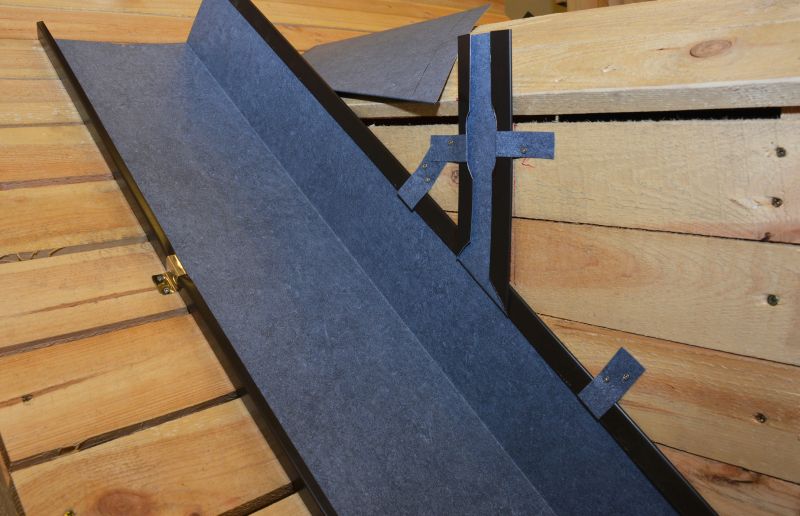
When comparing contractors for roof flashing installation, it’s important to consider their experience with similar projects. Homeowners should look for service providers who have a proven track record of handling roof flashing work comparable to their specific needs. This can help ensure that the contractor is familiar with the particular challenges of the job and understands best practices for durable, effective results. Asking about past projects or requesting examples of completed work can provide insight into their expertise and reliability.
Clear, written expectations are also essential to a successful roofing project. Homeowners should seek service providers who can offer detailed estimates and scope of work that outline what will be done, the materials to be used, and the standards to be met. Having this information in writing helps prevent misunderstandings and ensures everyone is aligned on the project’s goals. It’s advisable to ask service providers for a detailed proposal or contract before work begins, so expectations are transparent and documented.
Good communication and reputable references are key factors when choosing local contractors. Homeowners should prioritize service providers who are responsive and willing to answer questions thoroughly, demonstrating professionalism and a commitment to customer satisfaction. Additionally, requesting references or reviews from previous clients can provide valuable insights into the contractor’s reliability, quality of work, and ability to complete projects on time. This approach helps establish confidence in the contractor’s ability to deliver a satisfactory outcome for roof flashing installation projects.
Property owners use Roof Flashing Installation services for practical projects around their homes and businesses. This guide focuses on everyday jobs and straightforward project options.
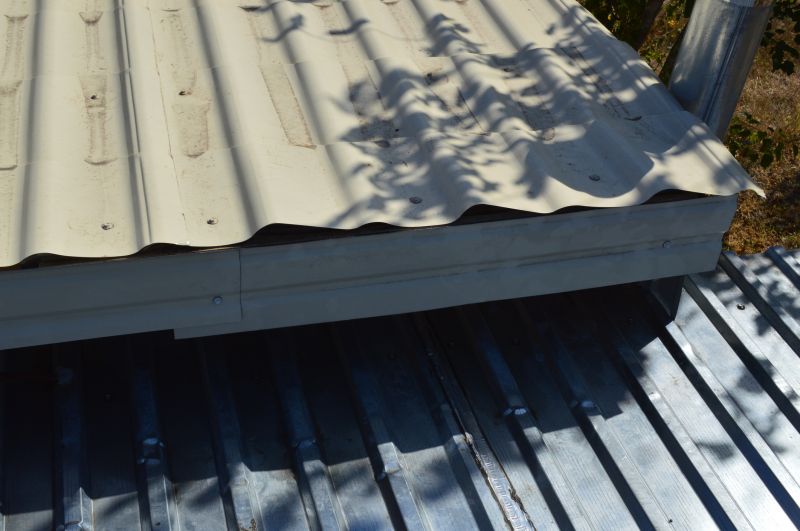
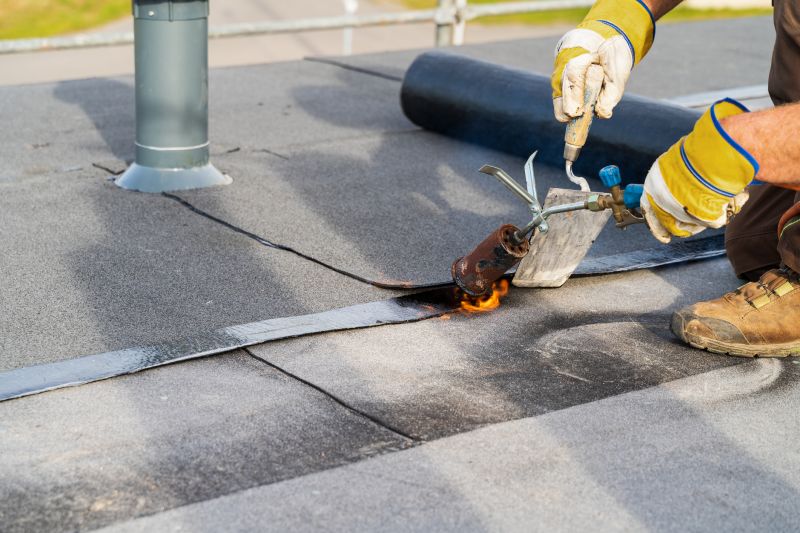
Roof flashing installation is a common project for property owners dealing with leaks or water intrusion around chimneys, vents, and roof valleys. Over time, flashing can become damaged or deteriorate due to weather exposure, making it essential to replace or repair to maintain a roof’s integrity. Local contractors are often called upon to handle these repairs, ensuring that the flashing is properly sealed and installed to prevent water from seeping into the structure.
Homeowners may also seek flashing installation services when building new roofs or making significant renovations. Properly installed flashing helps protect the roof and underlying materials from moisture damage, which can lead to costly repairs down the line. Service providers in the area can assist with these projects, providing the expertise needed to ensure flashing is correctly fitted and durable enough to withstand local weather conditions.
What is roof flashing and why is it important? Roof flashing is a material installed around roof joints, chimneys, and vents to prevent water from seeping into the building. Proper installation helps protect the roof structure from leaks and water damage.
What types of roof flashing materials are commonly used? Common materials for roof flashing include aluminum, copper, galvanized steel, and lead. The choice of material depends on the roof type and environmental conditions.
How do local contractors ensure proper roof flashing installation? Local contractors assess the roof’s design, select appropriate materials, and follow best practices to ensure flashing is correctly installed and sealed against water intrusion.
Can roof flashing be installed on any type of roof? Roof flashing can be installed on most roof types, including shingle, tile, metal, and flat roofs. A professional can determine the best approach for each specific roof style.
What signs indicate that roof flashing may need repair or replacement? Signs include water stains on ceilings, visible rust or damage on flashing, or areas where water is pooling or leaking around roof joints and vents.
Roof Flashing Installation - Protects vulnerable roof edges and joints from water intrusion during heavy rain or snow.
Preventing Leaks - Helps seal areas around chimneys, vents, and skylights to avoid costly water damage inside the property.
Enhancing Roof Durability - Reinforces roof seams and valleys, extending the lifespan of the roofing system in harsh weather conditions.
Improving Roof Appearance - Provides a neat, finished look to roof edges, contributing to the overall curb appeal of the property.
If you are thinking about Roof Flashing Installation for a property, this guide is meant to help you understand the work, the typical project types, and how different options might fit your plans.
When you are ready, you can use the quote form on this page to share a few details about your project. From there, local pros can review the basics and respond with options that match what you have in mind.